
What is No Till?
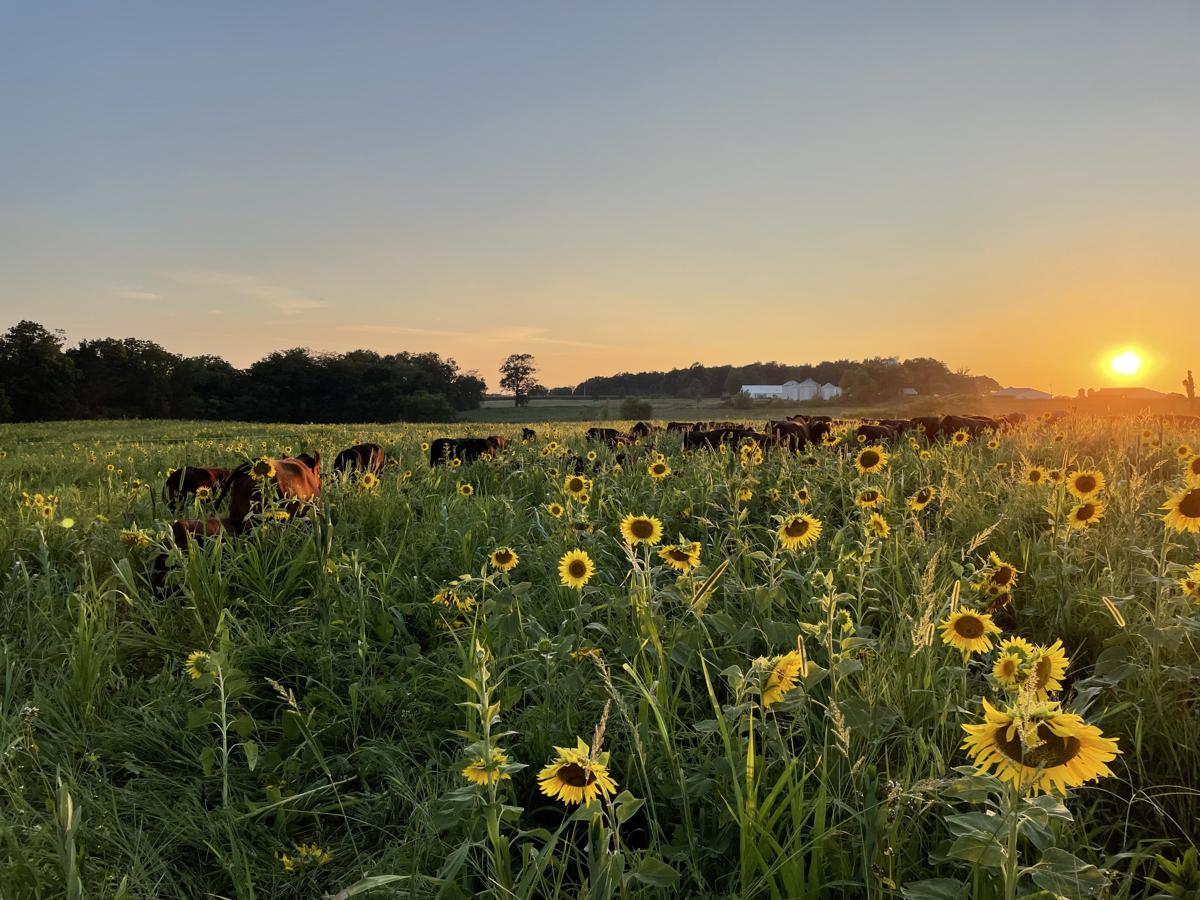
No-till farming eliminates or dramatically reduces mechanical plowing and tilling of soil. Instead of turning the soil to prepare for planting, no-till farmers plant directly into undisturbed ground, often through the residue of previous crops or cover crops. This preserves the complex web of fungal networks, worm channels, and microbial communities that make soil alive and productive.
Why No Till matters
Tilling destroys soil structure, releases stored carbon into the atmosphere, accelerates erosion, and disrupts the biological communities that make soil fertile. No-till farming reverses these effects. It builds organic matter, improves water retention, reduces erosion, and sequesters significant amounts of carbon. It is one of the most impactful practices for climate-friendly agriculture.
What to look for
Ask about the farm's tillage practices and how long they've been no-till. Established no-till fields develop rich, dark topsoil with visible earthworm activity. Farms that combine no-till with cover crops and diverse rotations are practicing some of the most advanced regenerative agriculture available.