What is Non-GMO?
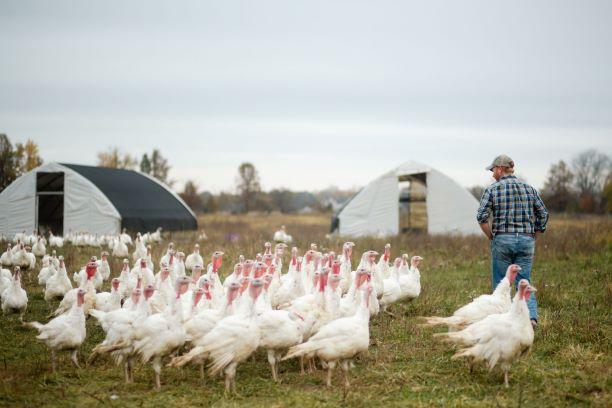
Non-GMO farming means no genetically modified organisms are used in crop production or animal feed. Farmers select traditional, open-pollinated, or conventionally bred seed varieties rather than seeds engineered in a laboratory. For livestock operations, non-GMO means animals are fed non-GMO grain, forage, or pasture throughout their lives.
Why Non-GMO matters
Many consumers choose non-GMO food due to concerns about the long-term health effects of genetically modified crops, the environmental impact of GMO-associated herbicide use, and the corporate control of seed supplies. Supporting non-GMO farms helps preserve crop genetic diversity and traditional farming knowledge.
What to look for
Look for farms that state their non-GMO commitment clearly. The Non-GMO Project Verified seal provides third-party assurance. For livestock, ask whether the farm's feed supply is also non-GMO — this is an important detail that many consumers overlook.