What is Rotational Grazing?
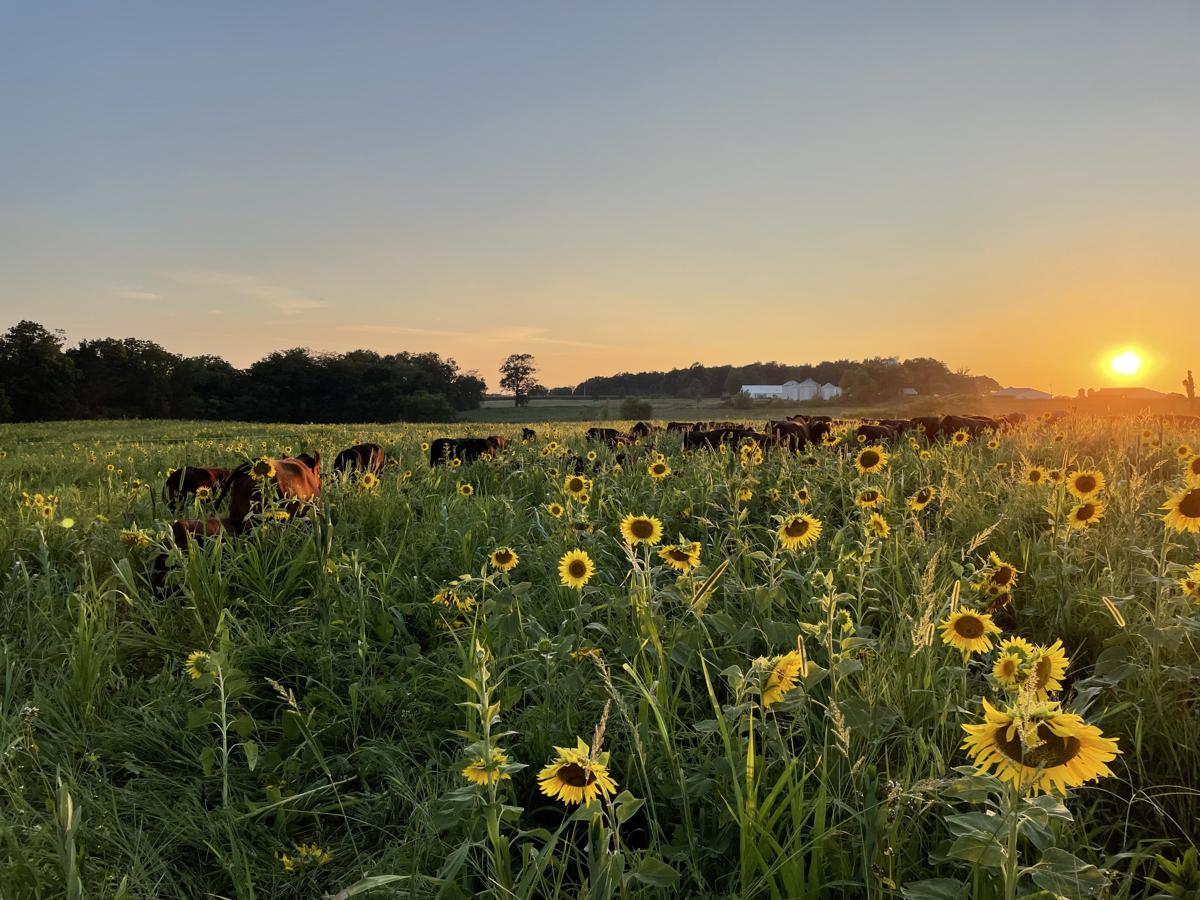
Rotational grazing (also called managed intensive grazing or adaptive multi-paddock grazing) divides pasture into sections and moves livestock through them on a planned schedule. Animals graze one section intensively for a short period, then move on, giving the grazed section time to rest and regrow. This mimics the natural movement patterns of wild herds.
Why Rotational Grazing matters
Rotational grazing is one of the most powerful regenerative practices available. It stimulates grass root growth, builds topsoil, sequesters carbon, improves water infiltration, and increases pasture biodiversity. Animals eat higher-quality forage and distribute their manure more evenly, creating a positive feedback loop of improving land health. Some studies suggest well-managed rotational grazing can sequester more carbon than the animals emit.
What to look for
Ask about the farm's grazing schedule — how often animals move, how long pastures rest, and how many paddocks they use. Farms with shorter grazing periods and longer rest periods generally produce the best results. Look for visible differences between recently grazed and rested paddocks.