What is No-Herbicides?
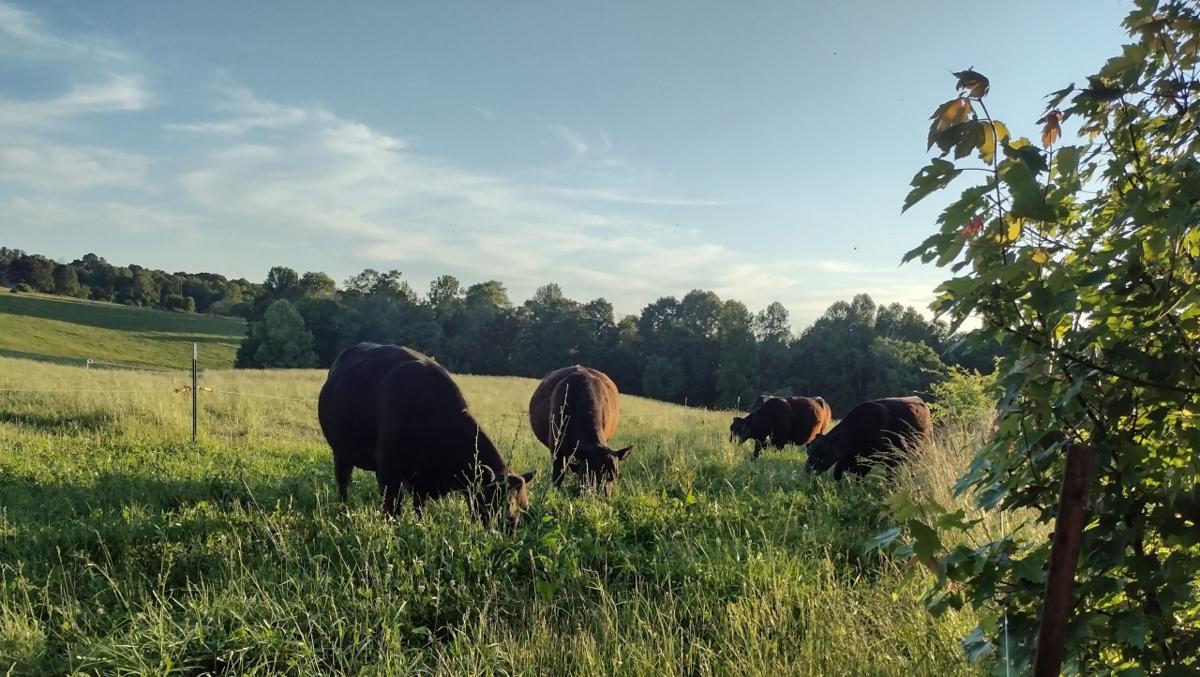
Herbicide-free farming eliminates synthetic weed killers from the production process. Instead of spraying chemicals to control unwanted plants, these farmers use techniques like mechanical cultivation, hand weeding, mulching, cover cropping, flame weeding, and integrating livestock to graze down weeds. It requires more skill and labor but results in cleaner food and healthier soil.
Why No-Herbicides matters
Herbicides like glyphosate have come under increasing scrutiny for potential health effects, and their widespread use has led to herbicide-resistant superweeds. Herbicide-free farms protect waterways from chemical runoff, support soil biology, and provide food free from synthetic weed-killer residues.
What to look for
Look for farms that can explain their weed management strategy. The best herbicide-free farms use multiple integrated approaches rather than relying on a single technique. Farms that combine no-till or minimal-till with cover crops and livestock integration typically have the most effective and sustainable weed control.